
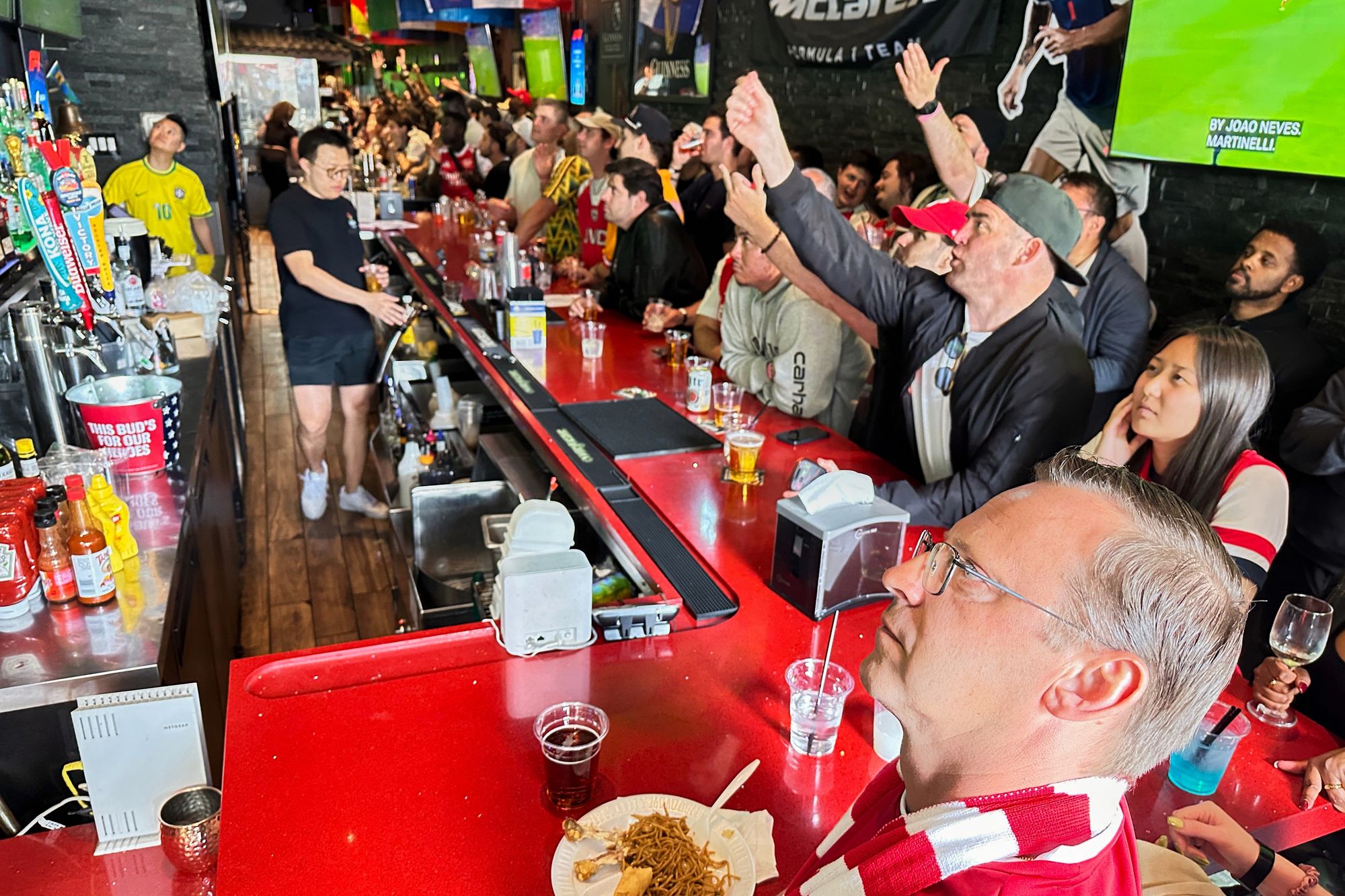
World Cup enthusiasts in numerous US cities are set to enjoy extended bar and restaurant hours as state leaders across the nation approve measures aimed at enhancing the fan experience and bolstering local businesses during the globe’s most-watched sporting event.
The move seeks to accommodate those unable to secure tickets and, for some, represents a final push to boost sales amid tempered expectations for a significant World Cup economic uplift.
To date, Kansas, Missouri, New Jersey, Pennsylvania, Rhode Island, and Washington – states either hosting matches or adjacent to the activity – have all sanctioned various provisions to extend alcohol sales during the tournament.
Similar proposals are currently under consideration in New York and Massachusetts. These changes mean that closing times could be pushed back to 4 am in Philadelphia during the World Cup and America 250 celebrations, while some Kansas City establishments may even operate until 5 am.
While these adjustments often require municipal approval and no business is mandated to extend hours, the hospitality industry, grappling with declining sales and inflation, largely welcomes the opportunity. Mark Prinzinger, owner of Lion Sports Bar in Philadelphia, described the atmosphere of watching soccer with international fans as a “magical experience.” With the option to keep his bar open two hours longer, he has already hired additional staff, streamlined menus, and planned late-night programming.
“People want to have a beer with other soccer fans and the great thing about the World Cup is that it brings people together from all over the world into one place to watch a sport that everybody loves,” Prinzinger said.
In Pennsylvania, bar, restaurant, and nightlife venues will be permitted to shift their closing times from 2 am to 4 am between June 11 and July 20. Gov. Josh Shapiro approved the legislation, releasing a video of himself cracking open a beer and concluding his social media post with a playful caution to Philadelphia’s reputation for rowdiness: “Celebrate responsibly, Philly.”
Despite receiving bipartisan support from lawmakers, the prospect of extended drinking hours has prompted concerns regarding public safety and potential strain on law enforcement. Kansas City Mayor Quinton Lucas initially remarked that his city “doesn’t need bars operating 23 hours” during the World Cup, jokingly adding, “Worry not, if you want to drink a ton, bars can open quite early.”
However, bar owners have pushed back against such opposition, asserting that most businesses prioritize training staff to prevent patrons from being overserved. Prinzinger countered, “Just because people are hanging out at the bar watching a soccer game doesn’t mean they’re getting blitzed. In fact, I would say it’s completely the opposite. I think people want to watch the game. People want to be engaged.”
Rhode Island Representative Teresa Tanzi echoed this sentiment on the House floor, stating, “Not everybody that’s going to walk into a place is going to be chugging drinks and getting loaded. There are going to be families who are going to want a cheeseburger, an American cheeseburger, and a Coca-Cola.”
Rhode Island, geographically closer to World Cup matches at Gillette Stadium than Boston, is deliberating whether to extend alcohol sales to 3 am and closing times to 4 am, a significant departure from its current 1 am last call, with some exceptions for Providence.
Mayor Lucas eventually softened his stance, submitting a plan allowing Kansas City restaurants and bars to remain open until 3 am, and certain establishments until 5 am, provided they submit a security plan to the police department. Currently, alcohol sales are generally permitted from 6 am to 1:30 am.
This trend of extended hours is not exclusive to the US. Pubs in England and Wales will be able to stay open until 2 am if the English or Scottish teams advance to the knockout stages, following a relaxation of licensing rules by the UK government. In Scotland, local authorities possess the autonomy to allow pubs to remain open for 30 minutes after matches conclude.
Despite the widespread enthusiasm, the actual demand for late-night food and drink remains somewhat speculative. The World Cup schedule primarily features games from early afternoon through early evening, with only a handful of late-night kick-offs – four games starting at midnight and eight at 10 pm for those in the Eastern time zone.
David Henkes, senior principal at Technomic, a firm monitoring restaurant and food industry trends, noted a post-pandemic shift in US consumer habits, with more people opting to go out earlier and spending less overall.
“It’s so hard to stay open late night or overnight just because it’s hard to find labor,” Henkes said. “I applaud the effort to give restaurants an opportunity to earn more revenue, but I’m not sure that there’s going to be significant enough demand for it to make sense for a lot of operators to do so.”