

Saudi Arabia’s state-backed developer, ROSHN Group, is actively seeking private investors for its Aramco Stadium, a pivotal venue for the 2034 Fifa World Cup.
The move signals a strategic effort to unlock capital for the kingdom’s ambitious economic transformation agenda, as the government grapples with a widening budget deficit.
As Riyadh pushes to diversify its economy away from oil and gas revenues under its Vision 2030 plan, public entities are increasingly turning to external capital. This funding is crucial for a host of logistics, tourism, and sports projects designed to reshape the nation’s economic landscape.
ROSHN, a subsidiary of Saudi Arabia’s £1.2 trillion sovereign wealth fund, the Public Investment Fund (PIF), has reportedly appointed JPMorgan to manage the equity fundraising process. Sources familiar with the matter, who requested anonymity as the discussions are not public, indicated that both PIF and ROSHN have been gauging private investor interest in the stadium. JPMorgan and Saudi Aramco declined to comment, while ROSHN and PIF did not respond to requests for comment.
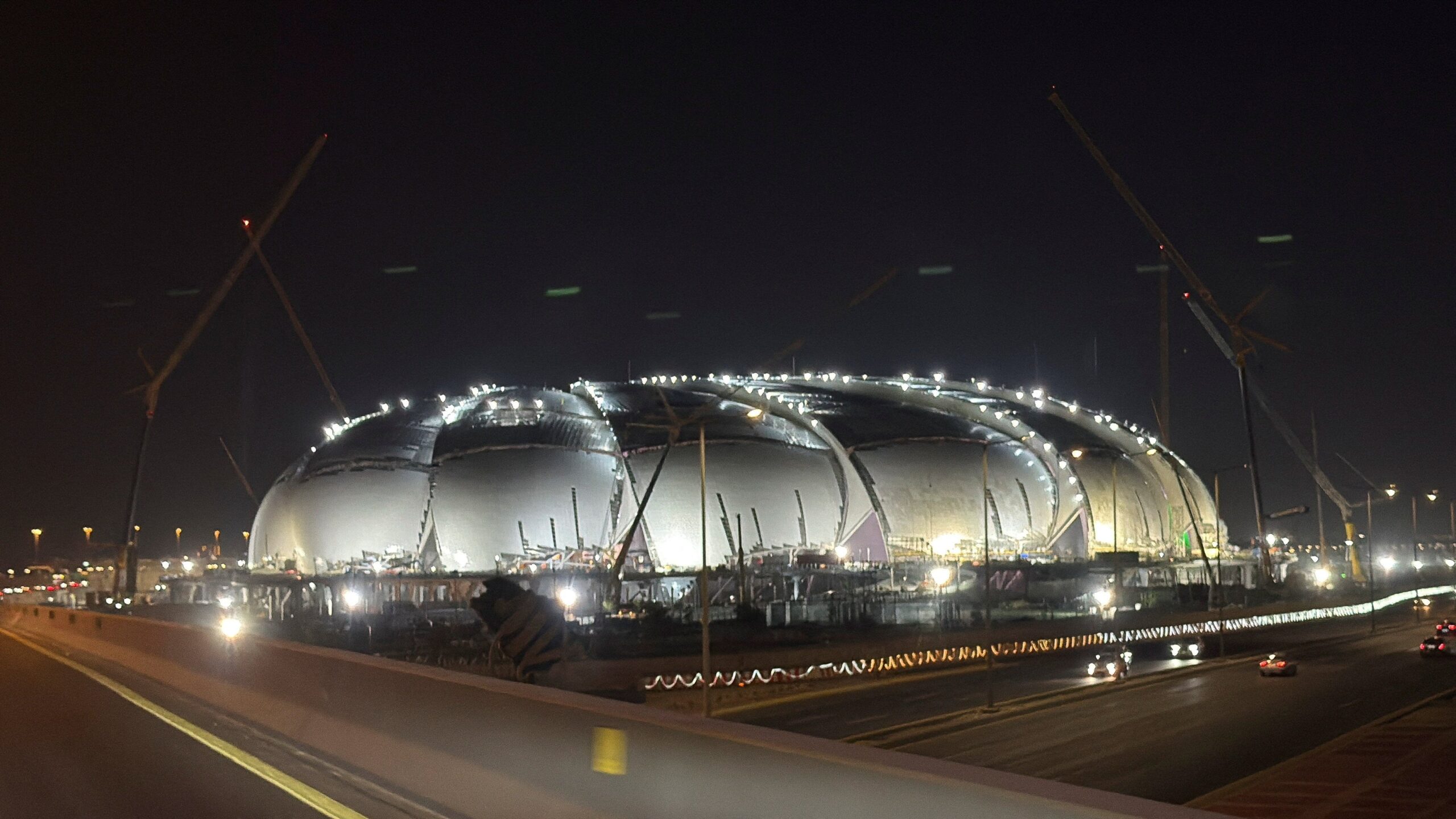
The Aramco Stadium, a 47,000-seat facility located in the eastern city of Al Khobar, is slated for completion by the end of this year, with its inaugural game scheduled for January. Saudi Aramco, the state oil giant, operates the stadium under a 25-year concession, with ROSHN serving as the project’s owner and developer.
The proposed transaction is expected to adopt a lease and leaseback structure, mirroring previous infrastructure fundraising deals. This model has been successfully employed by Aramco for its oil and gas pipeline assets, attracting significant investors such as EIG Global Energy Partners and Global Infrastructure Partners, part of BlackRock.
Under this arrangement, ROSHN would establish a dedicated vehicle to control the leasehold, co-owned with investors who would provide upfront capital. This mechanism would inject fresh funding into the project and free up ROSHN’s capital for other ventures, while investors would secure a long-term income stream from Aramco’s lease payments.
The 2034 World Cup represents a cornerstone of Saudi Arabia’s economic overhaul, with the PIF having already invested heavily across various sports, including Formula E, boxing, tennis, e-sports, and football.
Riyadh plans to build or renovate 15 stadiums across five cities for the tournament, alongside 132 training venues. The 2034 competition will mark the first time a single nation hosts the expanded 48-team format, a challenge acknowledged by Saudi Arabia’s Sports Minister Prince Abdulaziz bin Turki AlFaisal.
However, the kingdom has faced difficulties in delivering some of its flagship projects, hampered by overspending and lower-than-anticipated global oil prices that have impacted state revenues.
For instance, Trojena, a prominent mountain resort within the NEOM desert mega-city, which was initially set to host the 2029 Asian Winter Games, has experienced delays.
Consequently, Riyadh is increasingly relying on private investors to bridge funding shortfalls. This strategy is not unprecedented; Kingdom Holding Company acquired a 70 per cent stake in Saudi Pro League club Al Hilal from the PIF in April, and an American investor took over Al Kholood last year as part of a broader privatisation drive.
Furthermore, Reuters reported in May that the PIF was in discussions with investors regarding a minority stake in Newcastle United, aimed at fundraising for the club’s stadium.