

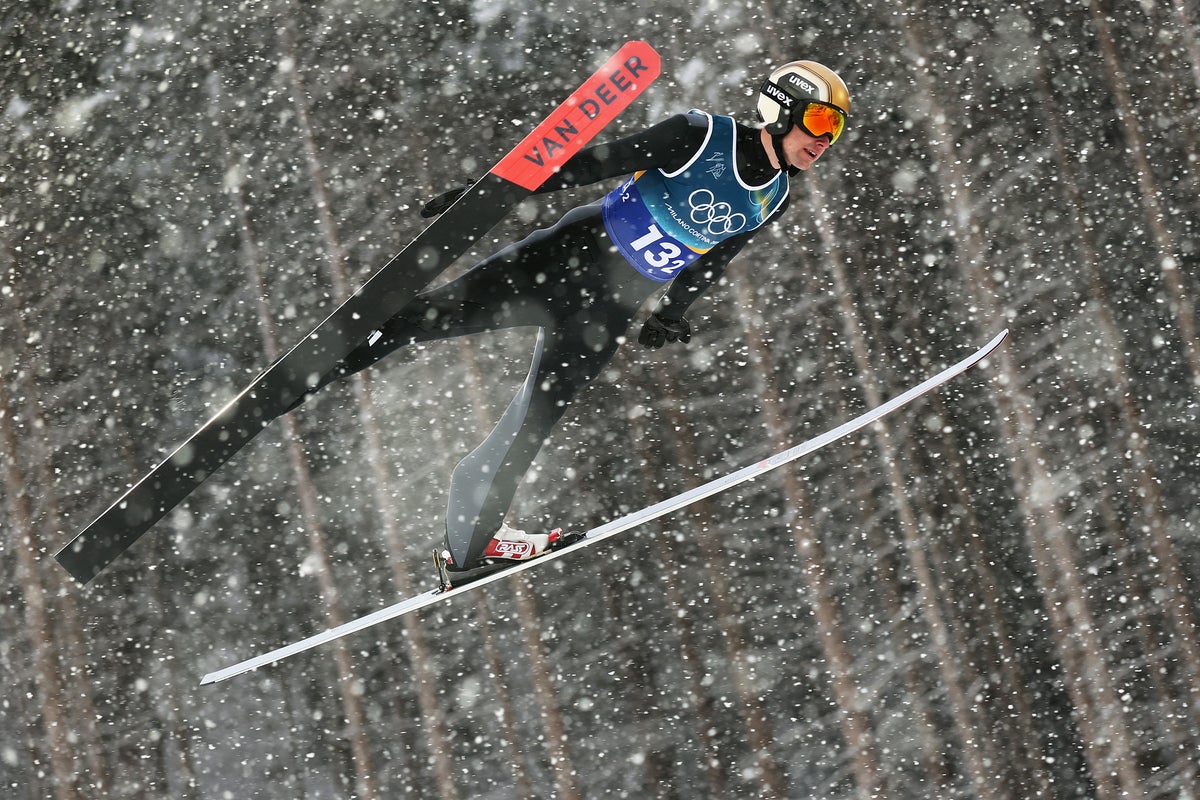
Nordic combined, a discipline featured in every Winter Olympics since its inception in 1924, has been dropped from the 2030 French Alps Games by the International Olympic Committee (IOC). The decision, announced on Tuesday, marks a significant shift in the Olympic programme, aimed at refreshing the Games to appeal to a younger audience.
This move delivers a critical blow to the sport, which combines ski jumping and cross-country skiing, and had been battling for its Olympic future since 2022. That year, Olympic officials rejected the inclusion of a women’s event for the 2026 Milano Cortina Games, citing concerns over its global universality and a limited pool of competitive nations.
The IOC justified its decision with stark statistics. In a statement, it revealed: “Across most of the popularity indicators, Nordic combined ranked lowest among all Olympic Winter Games disciplines at Sochi 2014, PyeongChang 2018, Beijing 2022 and Milano Cortina 2026.”
The committee further elaborated that at the most recent Winter Games, it was “the lowest-ranked discipline in 11 of the 14 popularity indicators assessed,” also noting ongoing challenges with universality and participation.
The announcement was met with disappointment from the sport’s community. FIS President Alexander Ospelt stated: “Our first reaction is, inevitably, one of disappointment.” Finland’s Ilkka Herola, a Milano Cortina medallist, echoed this sentiment: “This is an incredibly difficult day for our sport … We respect the decision, but we firmly believe our sport still belongs on the Olympic stage. Our community will not stop working towards that goal.”
IOC President Kirsty Coventry acknowledged the impact, saying: “We know and can fully understand that this may come as a disappointment,” though she offered a glimmer of hope, adding that she had informed Nordic combined officials that “the possibility could always remain open for 2034”.
However, the writing for Nordic combined had been on the wall for some time. Throughout the Milano Cortina cycle, anxiety surrounding the sport’s Olympic future overshadowed competitions. Despite Norway’s dominant performance, sweeping all gold medals, the lack of top finishes from more populous nations like Germany and Japan failed to demonstrate the global appeal broadcasters and the IOC sought.
The numbers ultimately sealed its fate. When the IOC’s executive board first raised concerns in 2022, it explicitly highlighted a “concerning situation” driven by television viewership that was significantly lower than any other Winter Olympic sport over a three-Games cycle.
This, coupled with a critical lack of national diversity among medal winners, meant the sport’s rich cultural heritage could no longer protect what had become a niche event, largely monopolised by a handful of countries.
The decision also carries a particularly stinging legacy for gender equality advocates. Hopes for a women’s Nordic combined Olympic debut, following growing international momentum and lobbying from athletes and federations, have now been dashed.
US Nordic combined athlete Annika Malacinski expressed her heartbreak: “This is heartbreaking. Athletes dedicate their lives to reaching the Olympic Games, and today that dream has been taken away from so many people.”
In contrast, snowboard’s parallel giant slalom, which had also been under review, was retained for the 2030 Games. The IOC noted “significant improvement since Beijing 2022 across a number of popularity indicators” for the discipline.
Additionally, the IOC confirmed the inclusion of freeride for skiing and snowboard, alongside synchro9, a figure skating team event, for the 2030 programme.