

Philadelphia police officers are now equipped with cutting-edge body cameras capable of real-time translation across 50 languages, a move set to revolutionize communication with foreign language speakers as the city anticipates a surge of World Cup visitors.
This innovative technology aims to instantly overcome language barriers that previously necessitated calling in specialized personnel or language services, often leading to significant delays during police encounters.
Police Commissioner Kevin Bethel hailed the technology as a “game changer”, emphasizing its role in enhancing policing efficiency, particularly with major teams like Brazil, France, and Croatia slated to play group games in the city.
“For an officer to have someone, particularly if they speak no English, we either have a police officer — if we understand the language that they speak — to potentially come to the scene or call into our language line,” Bethel told Reuters.
“That can take a very delayed process. So part of our journey was to now have a tool… A body-worn camera that, using the technology, will be able to translate in the moment. That was significant.”
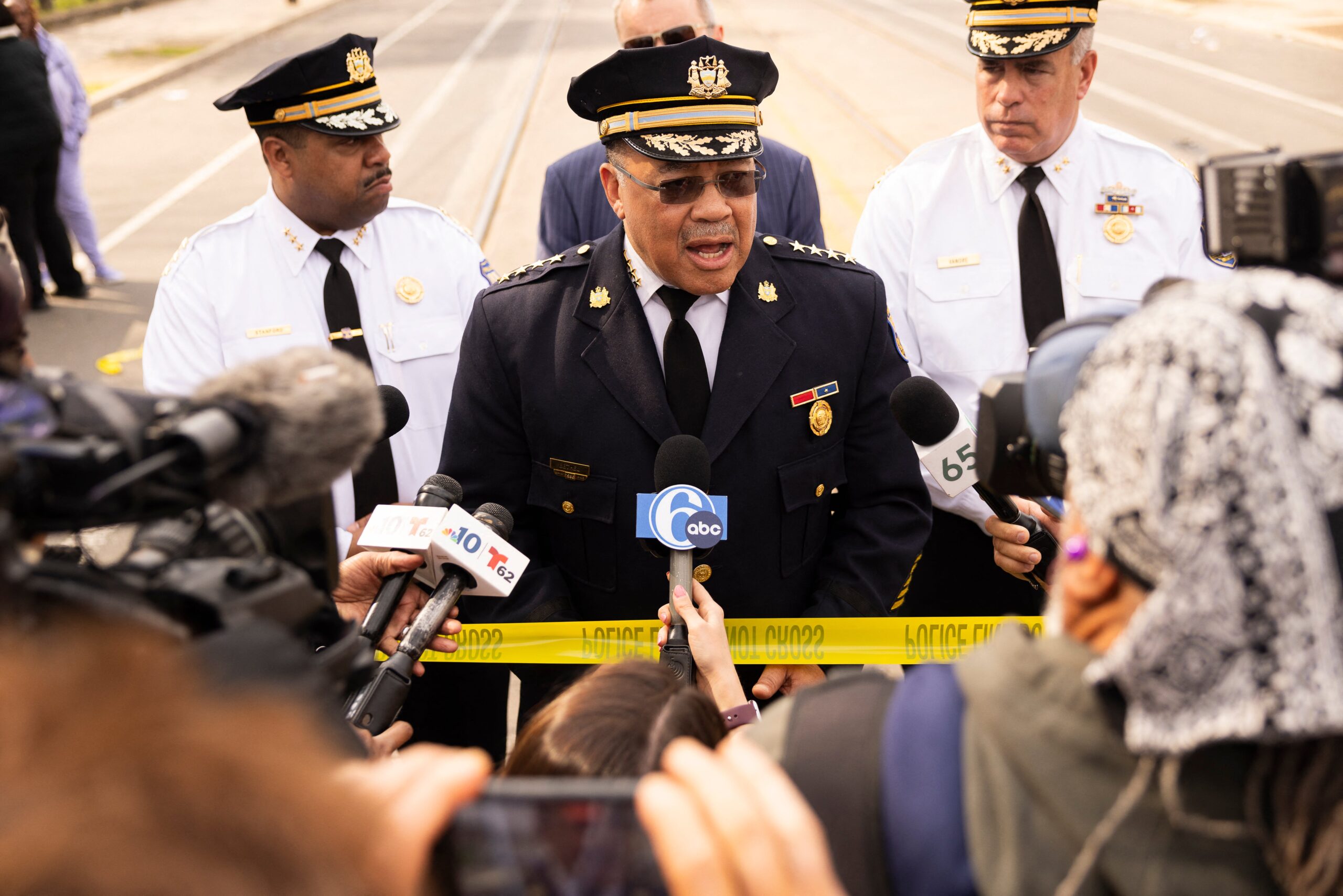
Bethel added that while the World Cup is a catalyst, the technology serves a larger, diverse community.
“It’s not just about Fifa (World Cup). We serve a large community who do not speak English as their first language. So this is a tool that, even though we’re launching it now, will live well beyond the (World Cup) and the 250th (anniversary of American independence) celebration.”
The commissioner also noted the technology would facilitate proactive engagement with international visitors.
“We’re bringing people from all over the world to come into our city,” he said. “They know they can come up to a police officer, engage them and they’ll be able to fully understand what they’re saying. That’s a home run and we’ll take it every day.”
However, the implementation of this technology is not without its legal complexities, particularly if interactions escalate to criminal proceedings. Officers will still be required to rely on certified translators for courtroom evidence.
“When it moves into the criminal process, that still will require someone who’s certified to make sure, because that transcript now is going into the courtroom. We cannot just solely rely on the AI technology,” Bethel explained.
He further highlighted a key limitation: the cameras capture all ambient conversation, not just the intended dialogue.
“So you have to go through it and make sure that everything that’s being said in the conversation, particularly if it’s part of a criminal matter, has been certified,” he added.
“We have to be very intentional about making sure that transcript is accurate, that it didn’t pick up any other conversations in that transcript before we present it as evidence in a trial.”