

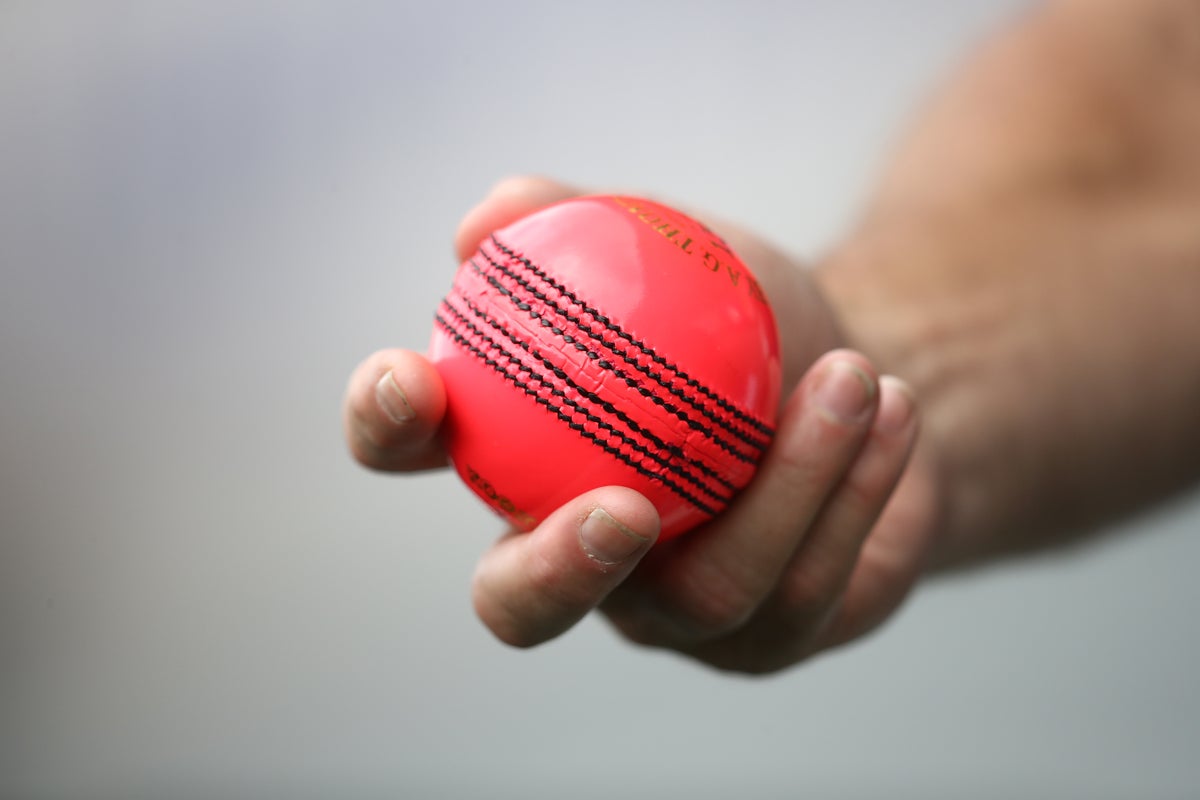
Pink balls could be used in periods of bad light during Test matches under an International Cricket Council (ICC) trial as the body bids to reduce the amount of time lost due to the conditions.
Under current regulations, play is halted if the on-field umpires agree the light conditions are “dangerous or unreasonable”, often judged by an ICC-approved light meter.
However, the ICC is keen to limit lost play, and has approved a trial of a pink ball in case of anticipated bad light, subject to prior agreement from both teams involved in the Test.
The governing body is also working with the MCC to research and develop lighting technology for match officials and venues to reduce lost play.
No timeline for the trial has yet been outlined, though it will not affect England’s Test series against New Zealand, which begins at Lord’s this week, with it understood the ECB currently have no expectation of using pink balls for home Tests.
Pink balls are designed to provide balanced visibility in matches that transition from daylight to floodlights during play.
It has been used for day/night Tests since 2015, with 25 men’s and four women’s matches held. England are due to face Australia in a day/night Test at the MCG next year to mark 150 years of Test cricket having lost under the lights in Brisbane during the Ashes.
Additional regulation changes approved at ICC board meetings in Ahmedabad on Sunday include enabling match officials to access Hawk-Eye data when considering reporting an illegal bowling action, and permitting coaches to consult with teams during scheduled drinks intervals.
The ICC board also “expressed concern regarding growing expanse of franchise cricket”, and is due to form a committee to look at harmonising short-format leagues with the existing international calendar.